
Category: Latest Posts

  • The Truth About Mortgage Life Insurance: Is It Worth It?

    The Truth About Mortgage Life Insurance: Is It Worth It?

    As someone who has dedicated my life to safeguarding families and building legacies, I often get asked about mortgage life insurance. Here’s what you need to know: mortgage life insurance pays off your mortgage directly to the lender if you pass away, but it’s important to note that it isn’t the same as traditional mortgage insurance—and it often comes with higher premiums. In my experience serving families and entrepreneurs in Mobile, I’ve found that term life insurance tends to be a more flexible and cost-effective way to protect your loved ones and your home. Every family’s needs are unique, and informed decisions today can help you avoid unnecessary financial hardship tomorrow. My commitment remains: protect families, develop leaders, and build lasting legacies.

    Continue to full article

  • US Workers Should Review Employer Coverage

    As someone who has dedicated my career to protecting families and building legacies, I often see a critical gap many overlook: relying solely on employer-provided life insurance. For example, if you’re earning $70,000 a year and your employer offers coverage at 2x your salary, that’s $140,000 left behind for loved ones. When you consider funeral expenses, lingering bills, and mortgage payments, that sum can vanish far sooner than most expect.

    It’s important to remember that true income replacement is meant to sustain your family for years—not just months. The general guideline recommends having 10 to 12 times your income in coverage to address debts, childcare, and the income your family will miss. Another key issue is portability: employer coverage is tied to your job. If you leave, retire, or face a layoff, that safety net disappears, often when you need it most. Supplemental policies through work may have similar limitations and rates that jump every five years.

    That’s why I encourage families and business owners to consider locking in their own coverage while they’re young and healthy. For instance, a healthy 30-year-old can secure $500,000 of 20-year term life for about $25–$30 a month—protection that stays with you, not your employer. Start by calculating what you truly need: subtract whatever your employer provides from the 10–12x income target. My mission is always to empower you with the knowledge and tools to protect your loved ones, no matter what life brings.

  • US Consumers Wanted Life Insurance Sooner

    One finding from a recent national survey struck a chord with me: 72% of Americans wish they had purchased life insurance sooner. As someone who’s spent decades leading teams and now serves families and business owners across Mobile, I’ve seen firsthand how crucial timing is when it comes to financial protection. Too often, I meet clients who regret not acting earlier—wishing they’d secured coverage before life threw them a curveball.

    The conversation around life insurance continues to evolve, but the message stays the same: understanding your options and acting promptly can make all the difference for your loved ones. A chief underwriter in the survey highlighted key factors influencing current buying trends, reinforcing what I see every day—the need for clarity and education when weighing coverage needs.

    My mission has always been to protect families and build legacies through informed decisions. These survey results remind us all: the best time to safeguard your family’s future is before you think you need to. Let’s keep the conversation going—knowledge and preparation remain our greatest tools.

  • The New Life Insurance Buyer Looks Different

    In my work with families and business owners, I’m seeing a clear shift in how younger clients approach life insurance. It’s no longer just about a death benefit—there’s real interest in policies that offer retirement income, long-term care, and living benefits that adapt as life evolves. Flexibility has become a priority, especially for those who want coverage that can change alongside their financial goals and personal circumstances. And while digital access is now expected, it’s reassuring to see that this new generation still values professional guidance when making such important decisions. Life insurance is transforming from a one-time purchase into a cornerstone of lifelong financial strategy. As someone dedicated to protecting families and building lasting legacies, I believe this evolution is a positive step toward true financial empowerment.

  • Honoring the Significance of Indigenous Day

    Indigenous Peoples’ Day celebrates, recognizes, and honors the beautiful traditions and cultures of the Indigenous People
    We take a stand for and support the indigenous people on this day.
    We should also offer our support to those who invest and uplift the indigenous communities.

  • U.S. Individual Life Insurance Sales Continue Growth Trend in the 2nd Quarter

    U.S. Individual Life Insurance Sales Continue Growth Trend in the 2nd Quarter

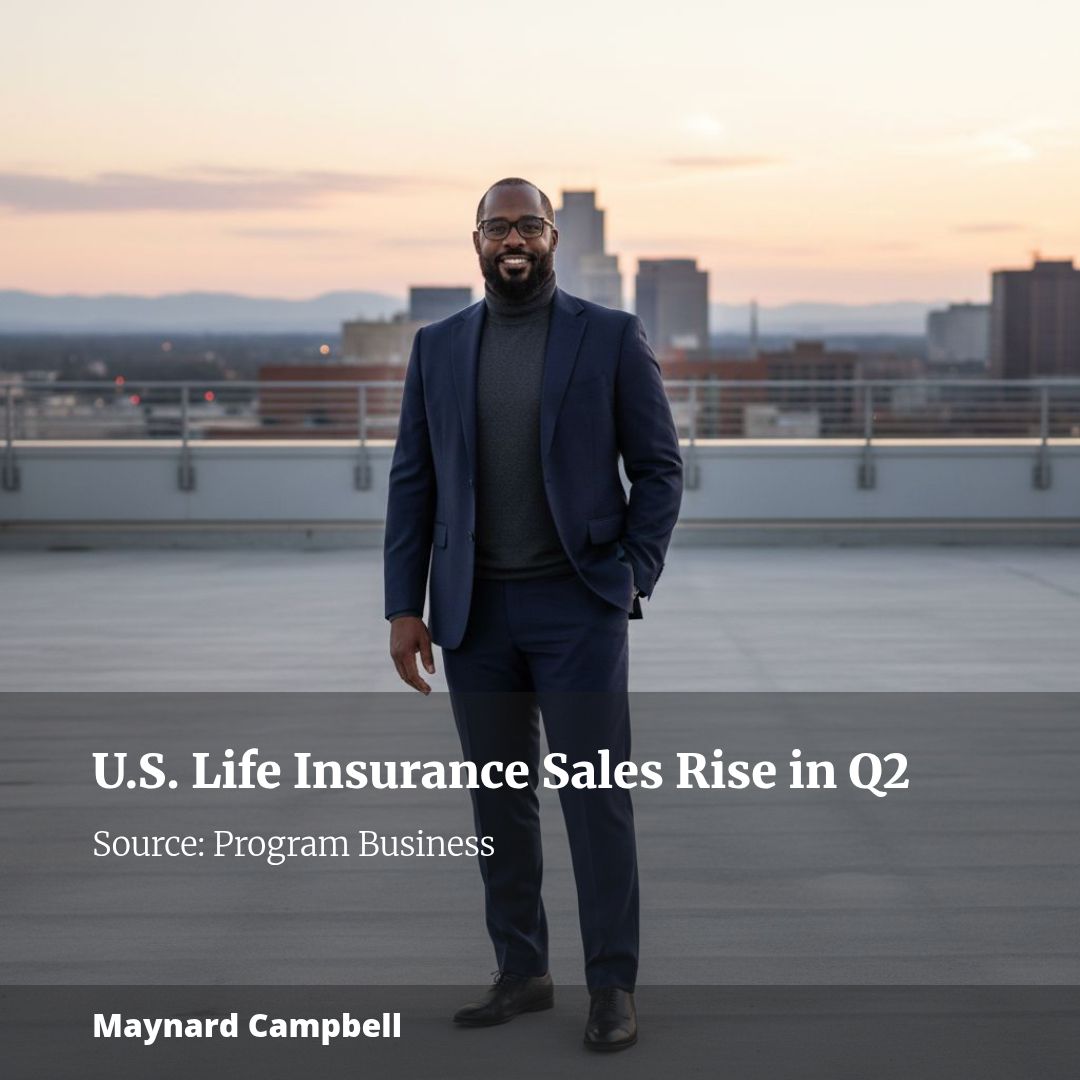
    As someone who’s dedicated my life to protecting families and building legacies—first as a U.S. Army Chief Warrant Officer, now as an insurance professional in Mobile—I pay close attention to trends shaping the financial futures of those I serve. The latest data shows U.S. individual life insurance new annualized premiums reached $4.7B in Q2 2026, up 3%, with policy sales climbing 8%. Whole life coverage grew by 9%, variable universal life by 11%, and term life by 7%. Fixed universal life remained steady, while indexed universal life saw an 11% decline. These numbers highlight the growing awareness of how critical it is to secure your family’s future. For me, it’s a reminder that every policy is more than a contract—it’s a promise to protect what matters most and a step toward leaving a legacy. As always, I’m committed to helping families and business owners make informed choices that honor their goals and provide lasting security.

    Continue to full article

  • Why Annuities Are an Advisory-Driven Product

    Why Annuities Are an Advisory-Driven Product

    Annuities stand out as one of the more intricate tools in the financial landscape, with a range of types, fee structures, and payout options. Navigating these complexities isn’t something you have to do alone. As someone who has spent decades in service—first as a U.S. Army Chief Warrant Officer, and now as the founder of The Elite 15 Financial—I’ve seen how the right guidance can make all the difference. Aligning annuities with your retirement goals, risk tolerance, and income needs requires both expertise and a commitment to ethical, informed decision-making. Especially considering the regulatory and tax nuances that come with these products, having an advisor you trust ensures your strategy supports the legacy you want to build. My mission is—and always will be—to protect families and help you make choices that secure your financial future.

    Continue to full article

  • Why Annuities Demand Clear Client Education

    Why Annuities Demand Clear Client Education

    After 30 years serving as a U.S. Army Chief Warrant Officer Four and now as CEO of The Elite 15 Financial, I’ve learned that clarity and trust are essential—especially when it comes to choosing the right financial tools for your future. Annuities can offer dependable income for retirement, but they’re not always easy to understand. With different types, fees, and important tax considerations, it’s vital to fully grasp both the advantages—like guaranteed income—and the limitations, such as surrender charges. In my practice, I focus on educating clients so they can make confident choices that support their family’s security and legacy. My goal remains the same: Protect Families. Develop Leaders. Build Legacies.

    Continue to full article

  • What’s the Point of Life Insurance?

    As someone who’s dedicated my life to protecting families and building legacies—first from the cockpit as a Chief Warrant Officer, now through financial guidance—I often get asked: what’s the point of life insurance? Here’s the reality. For a healthy 30-year-old non-smoker, a 20-year term policy with $500,000 in coverage typically costs $25 to $40 a month. The biggest factor influencing your rate is age: by 40, that same coverage can cost around twice as much, and for smokers, premiums can climb two to three times higher.

    Term life insurance is designed for efficiency—lower fees, straightforward coverage. Permanent policies offer lifelong protection and build cash value but come with higher upfront commissions and early surrender charges, making them a much costlier choice. The most cost-effective approach? Secure the maximum term coverage while your family depends on you most, then review and adjust every five years as debts are paid off and children become financially independent.

    Above all, life insurance isn’t an investment; it’s a tool to transfer risk. Your premiums buy peace of mind for those you love, ensuring their security no matter what the future holds. For me, it’s about empowering you with knowledge so you can make the best choice for your family’s future.

  • Employer Life Insurance May Not Be Enough

    As someone who’s spent a lifetime on missions that demanded preparation and foresight, I know real protection means thinking beyond the basics. Many employers offer life insurance—often around 2x your salary—so a $70,000 earner might leave $140,000 behind. At first glance, that sounds reassuring, but when you factor in funeral costs, lingering bills, and mortgage payments, that sum can disappear quickly. The real gap appears when you consider what’s actually needed to replace your income for years to come. Financial experts suggest aiming for 10–12 times your annual income to truly cover debts, provide for loved ones, and bridge lost earning time.

    It’s also important to remember: workplace life insurance isn’t portable. If you change jobs, get laid off, or retire, your coverage usually ends too—sometimes when you need it most. Even supplemental policies through your job can have the same limitations, and premiums tend to rise every five years as you age. That’s why I recommend reviewing your personal coverage early. For example, a healthy 30-year-old could secure $500,000 of 20-year term coverage for just $25–$30 monthly.

    Start with a simple calculation: subtract what your employer provides from that 10–12x income target. The difference is your real protection gap. After decades of service and now as an insurance professional, I’ve seen firsthand how the right policy can safeguard a family’s future. My mission remains unchanged—protect families and help you build a lasting legacy, no matter what life brings.